

How to Plan a Continuing Medical Education Event in the Bay Area
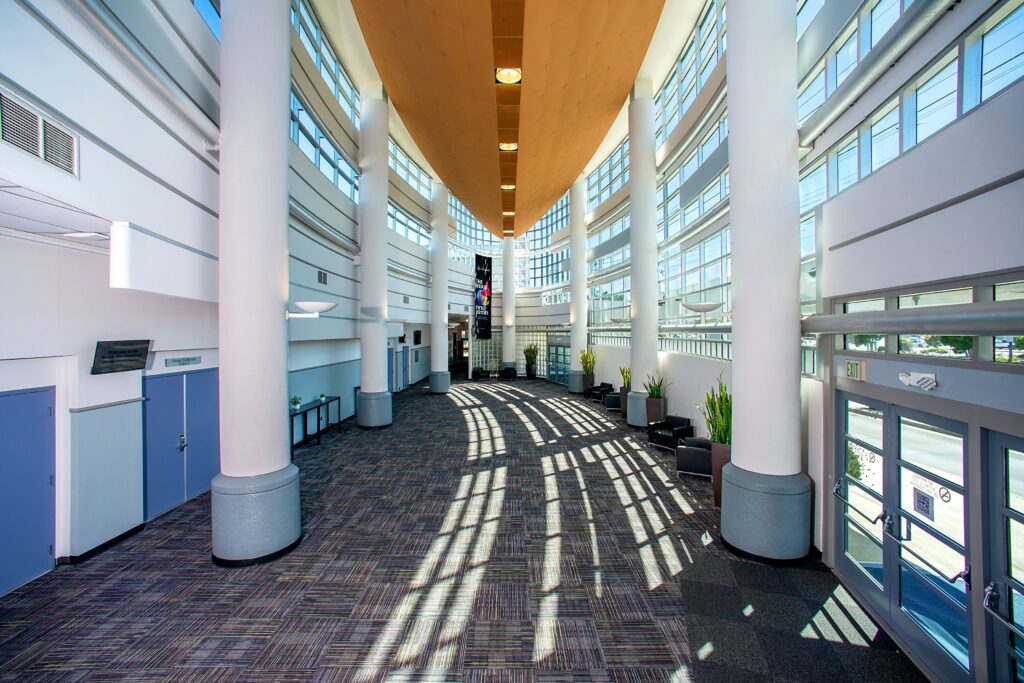
Continuing medical education events carry a weight that most corporate gatherings do not. The professionals attending them are there to fulfill licensing requirements, stay current with clinical research, and bring new knowledge back to their patients and practices. The quality of the environment directly affects the quality of the learning experience. A poorly equipped venue, unreliable AV, or a space that feels disconnected from the seriousness of the content undermines the credibility of the entire program.
Healthcare organizations planning CME events in the Bay Area need a venue that understands this dynamic. The right facility does more than provide square footage. It provides the professional atmosphere, technical infrastructure, and logistical support that allows educators and clinicians to focus entirely on the work rather than the room.
Start with Accreditation Requirements in Mind
CME accreditation bodies have specific expectations about how continuing education events are structured and documented. The Accreditation Council for Continuing Medical Education sets standards that affect everything from how conflicts of interest are disclosed to how session attendance is tracked. None of these requirements are a venue’s responsibility to manage, but the venue you choose can make compliance significantly easier or harder.
Choose a facility that can provide dedicated registration areas for credentialing and check-in, breakout rooms that support the separation of commercial content from educational content, and reliable recording capabilities for sessions that need to be documented for accreditation purposes. South San Francisco Conference Center’s flexible room configurations and professional AV infrastructure support all of these requirements without requiring organizers to build workarounds from scratch.
Match the Space to the Program Format
CME events rarely follow a single format. A large multi-disciplinary conference might open with a plenary keynote for several hundred physicians, then break into specialty-specific tracks running simultaneously in separate rooms. A focused workshop for a smaller group of specialists might spend the entire day in a single room with hands-on case discussions and panel-based learning. A hybrid event might need to serve both an in-room audience and a remote one simultaneously.
The venue needs to support whichever of these formats your program requires, and ideally all of them across different segments of the same event. South San Francisco Conference Center’s floor plans are designed for exactly this kind of flexibility. Large ballroom spaces accommodate plenary sessions. Multiple breakout rooms allow parallel specialty tracks. The technical infrastructure supports hybrid streaming without requiring a separate vendor setup. Organizers who have navigated CME logistics before consistently find that a dedicated conference center handles the complexity of multi-format programming better than a hotel ballroom.
Plan Carefully for Healthcare Audience Expectations
Physicians, nurses, therapists, and specialists who attend CME events are busy professionals giving up clinical time to be in the room. They have high expectations for how that time is used. Sessions that start late, technology that fails during a presentation, or catering that creates long lines during a short break all register as disrespect for their schedules.
The best CME events are engineered around efficiency and respect for attendee time. That means precise session timing, seamless transitions between speakers and formats, and catering that is served and cleared without disrupting the program. South San Francisco Conference Center’s experienced event support team works closely with healthcare organizers to build the kind of run-of-show that keeps a clinical audience engaged and on schedule throughout the day.
Leverage the Bay Area’s Healthcare Ecosystem
The Bay Area is home to some of the world’s leading academic medical centers, research hospitals, and healthcare technology companies. Hosting a CME event in South San Francisco puts your program within reach of this entire ecosystem. UCSF, Stanford Medicine, Kaiser Permanente, Sutter Health, and dozens of specialty practices and health systems are all accessible from the venue, which makes it easier to attract high-caliber faculty, engage local clinical communities, and draw attendance from across the region.
The proximity to San Francisco International Airport also makes SSFCC an accessible destination for national healthcare associations bringing CME programming to the West Coast. International medical faculty and out-of-state attendees can reach the venue quickly without the extended ground transportation that other Bay Area locations require.
Catering That Supports a Clinical Audience
Healthcare professionals are among the most health-conscious conference audiences you will encounter. CME event catering should reflect that. Menus that prioritize fresh, nutritious options, clear allergen labeling, and food that sustains energy through long clinical sessions all contribute to an attendee experience that feels aligned with the medical context of the event.
South San Francisco Conference Center’s full-service catering team works with healthcare event organizers to develop menus that meet the expectations of a clinical audience. From breakfast through evening receptions, the food and beverage program is designed to support the energy and focus that a serious educational program demands.
If your healthcare organization is planning a CME event, clinical conference, or medical education summit in the Bay Area, South San Francisco Conference Center is ready to partner with you. Contact us today to request a proposal and find out how we support healthcare organizations in delivering exceptional continuing education experiences.