

Planning a Multi-Track Technology Conference: Breakout Rooms, Flow, and Logistics
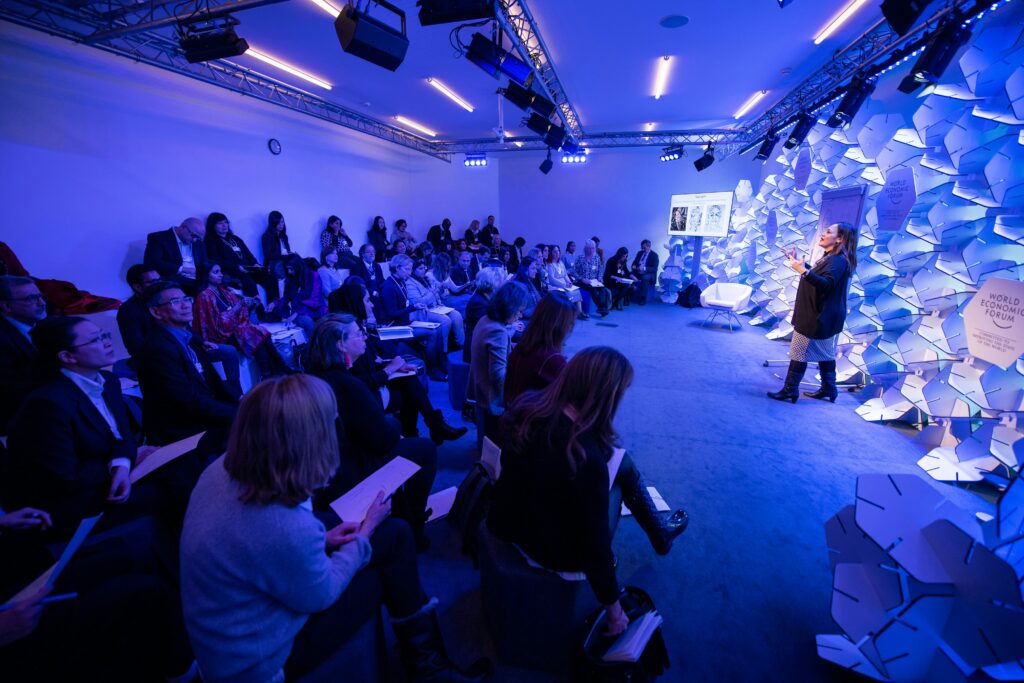
Why Multi-Track Conferences Have Become the Standard for Tech Events
The technology industry moves in many directions at once. A single-track conference that tries to serve developers, product managers, executives, and researchers in the same room at the same time inevitably serves none of them particularly well. Multi-track conferences solve this problem by giving attendees the ability to choose sessions that are directly relevant to their role, their interests, and their goals for the day. That sense of agency transforms passive attendees into active participants.
For AI and technology companies hosting large conferences, the multi-track format has become the expected standard. Attendees arrive with specific learning objectives and limited patience for content that does not speak to them directly. A well-designed multi-track program respects that reality and rewards it with higher engagement, stronger session attendance, and better overall feedback scores.
Start with Your Tracks, Then Build the Sessions
The most common mistake in multi-track conference planning is building sessions first and grouping them into tracks afterward. This approach produces tracks that feel arbitrary and attendees who struggle to navigate the program. The right approach is the opposite. Define your tracks first based on the distinct audience segments you are serving, then commission or curate sessions that fit clearly within each one.
For a technology conference, tracks typically map to roles or disciplines. A developer track, a product track, an executive or strategy track, and a research or innovation track each serve a clearly defined audience with a coherent set of interests. When tracks are well defined, the program becomes self-navigating. Attendees quickly identify which track is for them and follow it through the day with confidence.
Room Selection and Configuration Shape the Attendee Experience
Not all breakout rooms are created equal, and assigning sessions to rooms without thinking carefully about fit creates problems that are difficult to fix on the day. A highly anticipated session in a room that is too small creates overcrowding and frustration. A niche technical workshop in a room designed for 300 people feels sparse and kills the energy.
Work with your venue team to match room capacity to realistic session attendance projections. Build in buffer capacity for your most popular sessions and be prepared to adjust assignments in the days leading up to the event as registration patterns become clearer. South San Francisco Conference Center’s range of room sizes and configurations makes it possible to right-size each session without compromise, giving every breakout the environment it needs to succeed.
Flow Between Tracks Is as Important as the Tracks Themselves
A multi-track conference is not just a collection of simultaneous single-track events. The moments between sessions, the transitions between tracks, and the shared experiences that bring all attendees together are what give the event its identity and coherence. Without intentional design of these connective moments, a multi-track conference can feel fragmented and impersonal.
Schedule plenary sessions at key points in the day that pull all tracks together. An opening keynote, a shared lunch, and a closing session all create moments of collective experience that remind attendees they are part of something larger than their individual track. These moments also give the organizing team opportunities to reinforce the event’s central themes and build energy across the full attendee group.
Logistics Require a Level of Detail That Single-Track Events Do Not
Running multiple tracks simultaneously multiplies the logistical complexity of an event considerably. Each room needs its own AV setup, its own support staff, and its own timing coordination. Speakers across multiple tracks need to be briefed, checked in, and transitioned between sessions without creating delays that ripple through the rest of the program.
Build a detailed run of show for each track independently, then layer them together to identify conflicts and coordination points. Pay particular attention to session start and end times. If all tracks end simultaneously, you create a surge of attendees moving through the venue at the same moment. Staggering end times by five to ten minutes distributes that movement and reduces congestion in shared spaces like hallways, restrooms, and catering areas.
Signage and Navigation Are Underrated Program Elements
Attendees at a multi-track conference are making navigation decisions constantly. Which room is the developer track in? Where does the product session move to after lunch? How do I get from the main stage back to the breakout wing? Poor signage and unclear navigation create low-level friction that accumulates throughout the day and chips away at the overall experience.
Invest in clear, well-placed directional signage throughout the venue. A printed program that maps each track to its room, a digital event app with real-time session information, and staff stationed at key decision points all reduce confusion and keep attendees moving confidently through the venue. The easier it is to navigate your conference, the more mental energy attendees have available for the content itself.
Build Contingency Into Every Part of the Plan
Multi-track conferences have more moving parts than any other event format. More rooms, more speakers, more AV setups, and more simultaneous program elements all mean more opportunities for something to go sideways. The organizing teams that handle these moments gracefully are the ones that planned for them in advance.
Have backup AV equipment available and a technician who can be deployed to any room quickly. Build ten-minute buffers between sessions where possible to absorb delays without cascading through the program. Identify a point person for each track who is responsible for that track’s logistics and empowered to make decisions without escalating every issue to the central organizing team.
South San Francisco Conference Center is equipped to support multi-track technology conferences of all sizes. Our flexible floor plans, enterprise AV infrastructure, and experienced event support team make complex programs manageable from planning through execution.
Contact us today to start planning your multi-track technology conference in the Bay Area.